Gum Contouring Recovery: What to Expect Day by Day
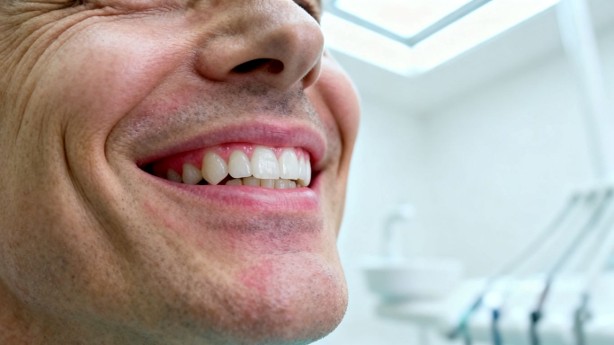
If you have gum contouring scheduled with Aventura Dentistry, it helps to know what the first week actually feels like rather than guessing from general internet advice. Our gum lift patients ask us the same questions again and again, so here is a realistic, day-by-day look at recovery.
What Is Gum Contouring?
Gum contouring is a procedure that reshapes excess gum tissue to create a more balanced gumline, often for patients whose gums cover more of their teeth than they would like. During treatment, a dental professional marks the desired gumline and removes a measured amount of tissue using a scalpel or laser, with local anesthesia keeping the area numb throughout.
The procedure itself is usually fairly focused, but recovery time varies from person to person depending on how much tissue was treated and your general oral health.
How Painful Is Gum Contouring?
Most of the procedure should not hurt because the gums are numbed beforehand; you may feel pressure or vibration, but sharp pain during treatment is not expected. Once the numbness fades, mild soreness, tenderness, or a tight feeling around the gumline is common, along with some swelling and redness during the first few days.
Gum Contouring Recovery Timeline
| Timeframe | What to Expect |
|---|---|
| Day 1 (first evening) | Numbness fading, tenderness, mild oozing |
| Day 2 | Swelling and sensitivity, discomfort with chewing |
| Day 3 | Soreness may begin easing; monitor the overall trend |
| Day 4 to 7 | Less swelling, more comfort with ordinary activities |
By the end of the first week, many people are returning to a more familiar routine, although the gumline may still look pink or slightly uneven while the tissue settles. Your provider's specific instructions always take priority over this general outline.
Day 1 to 3: Initial Healing
The first day is mostly about protecting the treated tissue while the anesthetic wears off. Choose foods that require little chewing, keep them cool or lukewarm, and avoid poking the area with your tongue or rinsing forcefully. A cold compress on the outside of the cheek can ease swelling when used as directed.
Day 4 to 7: Continued Healing
From day four through day seven, many people notice less swelling and more comfort during ordinary activities, though the gumline can remain tender when touched. Keep following your cleaning instructions even if the gums look better, since healing tissue is still easy to irritate.
Gum Contouring Aftercare Tips
Good aftercare is less about doing something elaborate and more about avoiding unnecessary irritation. A few practical habits can make the first week easier:
- Take medications only as directed by your dental professional
- Use a cold compress on the outside of the cheek if recommended
- Avoid touching, rubbing, or pulling at the treated gumline
- Sleep with your head slightly elevated if swelling is uncomfortable
Keep any scheduled follow-up so your provider can check how the tissue is healing. If your preventive care routine needs adjusting during recovery, ask at that visit.
Foods to Eat and Avoid During Recovery
For the first few days, aim for soft, cool, or lukewarm choices that do not require much chewing, such as yogurt, smoothies eaten with a spoon, scrambled eggs, or soft pasta. Spicy, acidic, crunchy, and very chewy foods are common irritants during early healing and are worth setting aside until comfort improves.
Signs of a Normal vs. Concerning Recovery
Normal healing can look a little alarming at first, since the gums may be red, puffy, or tender, with a small amount of oozing soon after treatment. The pattern matters more than any single sensation: a sore gumline that slowly feels better is different from pain that grows stronger each day.
The National Institute of Dental and Craniofacial Research notes in its overview of periodontal (gum) disease that healthy gum tissue should not stay persistently red, swollen, or bleeding, and that a dental professional should evaluate gums that do not improve as expected. Contact your provider promptly for heavy or persistent bleeding, severe pain, fever, pus, or worsening swelling.
When You'll See Your Final Results
You may notice a visible change in the gumline soon after the procedure, but early appearance is not the final result. Swelling, redness, and temporary unevenness can make the gums look different from how they will appear once healing is complete, so avoid judging the outcome in the mirror day by day.
Conclusion
Gum contouring recovery is usually a gradual process, with the most tenderness during the first few days and steady improvement through the first week. Gentle cleaning, soft foods, and attention to changing symptoms can make the experience more manageable. If you have questions about your own recovery, our Aventura team is glad to help, just contact us.
Frequently Asked Questions
How long does gum contouring recovery usually take?
Many people feel noticeably better within several days and return toward normal routines within about a week, though complete tissue settling can take longer.
Can I go back to work the day after gum contouring?
Some people can return the next day, particularly after a smaller procedure. Your provider can advise based on your specific treatment.
When can I brush my teeth after gum contouring?
Follow the cleaning schedule your dental professional gives you, which may mean avoiding the treated area temporarily while still cleaning the rest of your mouth.
Is swelling normal after gum contouring?
Mild swelling and redness can be normal during early healing. It should stabilize and then improve; spreading or worsening swelling should be reported.
When should I call my dentist after gum contouring?
Call for heavy bleeding, severe or worsening pain, fever, pus, increasing swelling, or a persistent foul taste or odor.
About the Author
Aventura Dentistry (Wohlstein Dental Group) is located at 2925 Aventura Blvd (NE 199th St.), Suite 203, Aventura, FL 33180. The practice is led by Dr. Diana Wohlstein, DMD, who provides general, cosmetic, and preventive dental care to patients throughout Aventura and Miami-Dade County.
Disclaimer
The information provided in this article is for educational purposes only and does not constitute professional dental advice, diagnosis, or treatment recommendations. Individual recovery experiences vary and can only be assessed through an in-person evaluation. Always follow the specific instructions provided by your dental professional and contact them with any concerns.
Blog Post Author

Contributed by DentalROI
DentalROI provides relevant dental content to help providers educate patients. The statements, services, and products referenced in this article have not been evaluated by the Food and Drug Administration, and they are not intended as a substitute for professional medical advice, diagnosis, or treatment. Always seek the advice of your dental provider with any questions or issues you may have. Specific recommendations may vary in different circumstances, so individual consultation is important.


