How Do You Know If You Need a Root Canal
Dealing with a toothache can be a real pain, and sometimes it's more than just a simple ache. When decay or injury reaches the inner part of your tooth, known as the pulp, it can become infected. This infection often leads to discomfort and can require a specific dental procedure. Understanding the signs you need a root canal treatment is key to knowing when to seek professional help. This article will help you figure out how you know if you need a root canal and what are symptoms of needing a root canal, so you can tell if a tooth needs a root canal and when a root canal is necessary.
What’s Important to Know
- Persistent tooth pain, especially that worsens over time or with pressure, is a primary indicator that a root canal might be needed.
- Lingering sensitivity to hot or cold temperatures, even after the stimulus is removed, suggests potential nerve damage or infection within the tooth.
- Visible changes like tooth discoloration (darkening or graying) or the appearance of a bump or pimple on the gums can signal an underlying infection.
- Swelling of the gums or face, along with pain when chewing or touching the tooth, are significant signs that prompt a dental visit to determine if a root canal is necessary.
- While a dentist's examination is the only way to confirm the need for a root canal, recognizing these common symptoms helps in knowing when to seek treatment.
How Do You Know If You Need a Root Canal?
Figuring out if you need a root canal can feel a bit like detective work, but your body usually gives you some pretty clear clues. The biggest hint is persistent tooth pain that just won't quit. It's not just a little twinge; it's a deep ache or throbbing that might come and go but always seems to make a comeback. You might also notice your tooth acting super sensitive, especially to hot or cold things. If that sensitivity sticks around way longer than it should, even after you've stopped sipping that iced coffee, it's a strong signal that something's up inside the tooth.
Can you always feel the symptoms of a root canal problem?
Not always. Sometimes, the problem is brewing under the surface, and you won't feel a thing until it's pretty advanced. This is why regular dental check-ups are so important. Your dentist has a trained eye to spot issues you might miss. However, there are several things to watch out for:
- Lingering Toothache: A pain that doesn't fade away easily.
- Sensitivity Overload: Sharp pain from hot, cold, or even sweet stuff that lasts longer than a few seconds.
- Gum Issues: You might see a small bump or swelling on your gums near the sore tooth, sometimes with a little pus.
- Tooth Color Change: A tooth that starts looking darker, maybe grayish or even blackish, can mean trouble inside.
- Pain When Chewing: Discomfort when you bite down or put pressure on that tooth.
Sometimes, the first sign isn't even pain. A tooth might start to change color, or you might notice your gums swelling up near a particular tooth. These changes can happen because the pulp inside the tooth has become infected or died, and the body is reacting to it.
So, while you might not feel every single symptom, keeping an eye out for these common signs is your best bet for knowing how to tell if a tooth needs a root canal before it becomes a bigger deal.
Signs You Need a Root Canal Treatment — Do Not Ignore These
Okay, so you're wondering if that nagging toothache is just a passing thing or something more serious. Sometimes, the signs you need a root canal treatment are pretty obvious, like a throbbing pain that just won't quit. But other times, it's a bit more subtle. Ignoring these signals can lead to bigger problems down the road, so it's smart to know what to look out for.
How quickly should you act when you notice these signs?
Honestly, don't wait around. If you're experiencing any of the following, it's best to call your dentist ASAP. Think of it like a leaky faucet – a small drip might seem minor, but if you ignore it, it can cause water damage everywhere. The same goes for your tooth. The sooner you get it checked out, the better your chances of saving the tooth and avoiding more complicated (and expensive) procedures. A day or two is fine if it's mild, but if it's persistent or getting worse, book that appointment right away.
Here are some common signs that might mean you need a root canal:
- Persistent Tooth Pain: This isn't just a little twinge. We're talking about a deep ache, a throbbing sensation, or sharp pains that don't go away on their own. It might get worse when you bite down or even when you're just trying to relax.
- Sensitivity to Hot and Cold: If your tooth screams in protest when you sip a hot coffee or a cold soda, and that sensitivity lingers for more than a few seconds after the stimulus is gone, that's a big clue. Normal sensitivity usually fades quickly.
- Discoloration of the Tooth: Has one of your teeth started looking a bit grey or even blackish compared to the others? This can happen when the pulp inside the tooth is damaged or dying, and it's a pretty clear sign something's not right internally.
- Swollen Gums or a Bump: You might notice swelling around a specific tooth, or even a small pimple-like bump on your gums. This bump, sometimes called a fistula, is actually the body trying to drain an infection. It might relieve some pressure, but it doesn't fix the underlying problem.
- Pain When Chewing or Applying Pressure: If biting down on your favorite crunchy snack or even just touching a particular tooth causes discomfort, it could mean the root or the tissues around it are inflamed or infected.
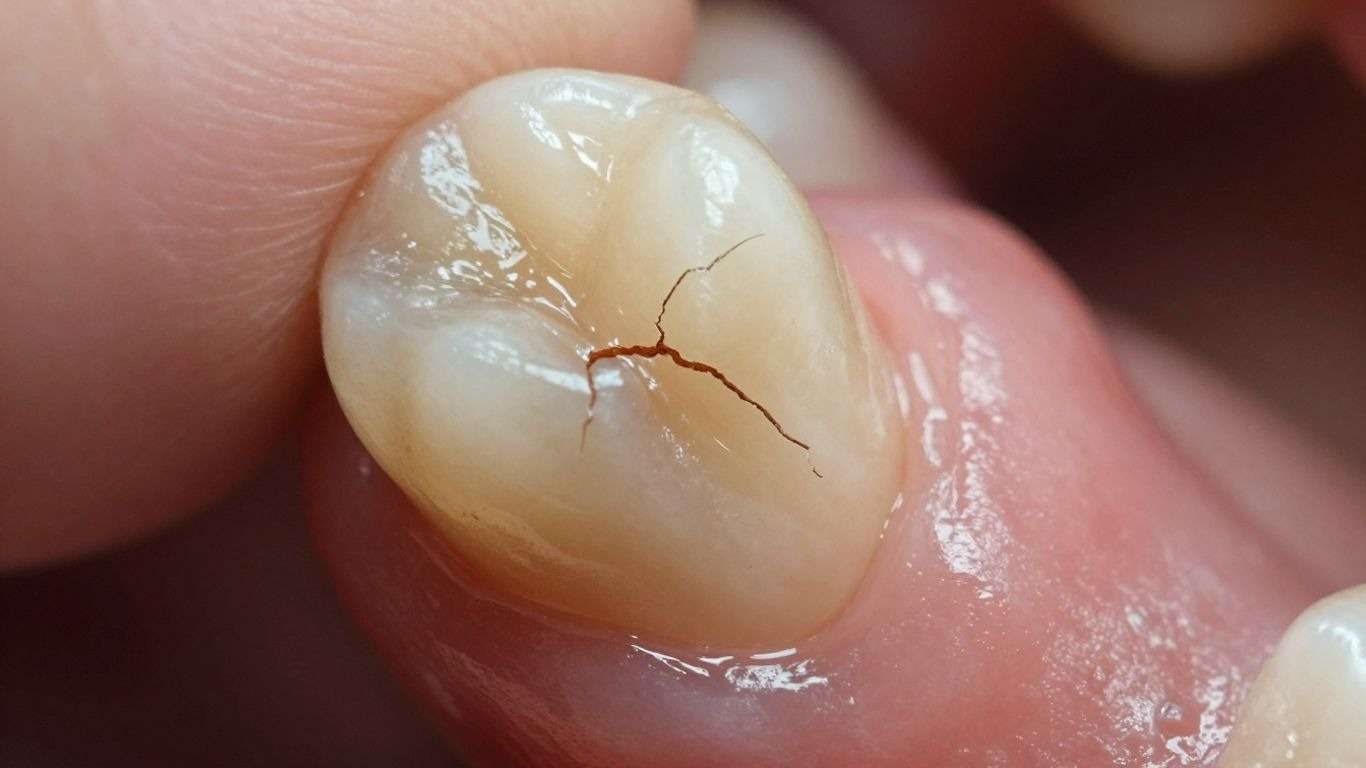
- A Chipped or Cracked Tooth: Even a small chip or crack can open the door for bacteria to get deep inside the tooth, leading to infection. If you've had an injury or bitten down on something hard, get it checked out, even if it doesn't hurt immediately.
Sometimes, the first sign isn't even pain. You might just notice a tooth looks different, or your gums feel a bit puffy. These subtle changes can be your body's way of telling you there's an infection brewing deep inside.
Remember, these signs don't automatically mean you need a root canal, but they are definitely red flags that warrant a visit to your dentist. They'll be able to figure out exactly what's going on and recommend the best course of action.
What Are the Symptoms of Needing a Root Canal?
So, you're wondering, what are symptoms of needing a root canal? It's a fair question, and honestly, sometimes it's not as obvious as you might think. Your tooth might be trying to tell you something's up, but it doesn't always scream for attention. Often, the first thing people notice is some kind of tooth pain. This isn't just a little twinge; it's usually a persistent ache or a throbbing sensation that just won't quit. It might feel deep inside the tooth, or sometimes it even spreads to your jawbone or other teeth nearby. It can come and go, but it definitely makes its presence known.
Another big clue is sensitivity. If your tooth starts acting up when you have something hot or cold, and that discomfort sticks around for more than a few seconds after the drink or food is gone, that's a pretty good sign. It means the nerve inside your tooth might be irritated or, well, not doing so great.
Is tooth pain always a sign that a root canal is needed?
Not all tooth pain means you need a root canal, but persistent or severe pain is definitely a red flag. A little sensitivity to cold after eating ice cream? Probably fine. A toothache that keeps you up at night or flares up when you bite down? That's more concerning. It's the kind of pain that doesn't just disappear on its own and might get worse over time. Think of it like this:
- Lingering Sensitivity: Pain that lasts longer than a few seconds after hot/cold stimulus.
- Deep, Persistent Ache: A constant or throbbing pain that doesn't go away easily.
- Pain on Pressure: Discomfort when chewing or even just touching the tooth.
- Swollen Gums: A small bump or pimple-like swelling near the sore tooth.
- Tooth Discoloration: A tooth looking darker or grayish compared to others.
Sometimes, the problem isn't pain at all. You might notice a tooth changing color, looking a bit dull or even grayish. Or maybe you see a little bump on your gums near the tooth that looks like a pimple. These can be signs that something's going on inside the tooth, even if it doesn't hurt much yet.
If you're experiencing any of these, especially a combination, it's your mouth's way of saying, "Hey, get this checked out!" Ignoring it usually just lets the problem get worse.
How to Tell If a Tooth Needs a Root Canal vs a Simple Filling
Okay, so you've got some tooth trouble. It hurts, or maybe it just feels... off. But is it a 'quick fix with a filling' kind of off, or a 'we need to go deeper' root canal situation? It can be tricky to tell the difference on your own, and honestly, that's what dentists are for. But knowing some of the signs can help you understand what might be going on.
What Will a Dentist Check to Confirm You Need a Root Canal?
Your dentist is basically a tooth detective. They've got a whole toolkit and a trained eye to figure out what's up. Here's a peek at what they'll likely do:
- Visual Inspection: They'll look closely at your teeth for any obvious signs like cracks, chips, deep cavities, or discoloration. Sometimes, a tooth that's turned a bit gray or dark can be a clue that something's going on inside.
- Palpation and Tapping: Gently pressing on your gums around the tooth or tapping on the tooth itself can reveal tenderness or pain. If it hurts when they tap, it often means the tissue inside the tooth is inflamed or infected.
- Temperature Tests: They might use a cold stimulus (like a little burst of cold air or a cotton swab with a cold substance) on the tooth. If it causes sharp, lingering pain, that's a big indicator that the nerve inside might be in trouble. A simple filling usually won't cause this kind of reaction.
- X-rays: These are super important. X-rays let the dentist see what's happening below the gum line. They can spot signs of infection in the bone around the root (like a dark spot, which is often called an abscess) or show how deep a cavity really is.
- Dental History: They'll ask you about your symptoms – when the pain started, what makes it worse, and if you've had any injuries to your mouth.
A tooth that needs a filling usually has decay that's only in the outer layers of the tooth. A root canal, on the other hand, is needed when the decay or damage has reached the soft inner part of the tooth, called the pulp, where the nerves and blood vessels are. This pulp can become infected or inflamed, causing that persistent pain.
Think of it like this:
Symptom/Test
Likely Needs Filling
Likely Needs Root Canal
Pain on biting
Mild discomfort
Significant pain
Sensitivity (cold)
Short-lived pain
Lingering, sharp pain
Tooth color
Normal
May be discolored
Gum bump/swelling
Unlikely
Possible
X-ray findings
Shallow decay
Deep decay, abscess
So, while a little toothache might just mean you need a filling to clean out some decay, a persistent, deep ache, sensitivity that sticks around, or visible changes to the tooth or gums are more likely pointing towards needing a root canal treatment to save the tooth.
When Is a Root Canal Necessary — and When Can It Be Avoided?
So, when is a root canal really necessary? Basically, it's your dentist's go-to move when the soft stuff inside your tooth, called the pulp, gets seriously damaged or infected. This usually happens because of a deep cavity that's been left untreated, a nasty crack or chip in the tooth, or sometimes even from repeated dental work on the same tooth. If that pulp gets infected, it can lead to a whole lot of pain and even an abscess, which is like a little pocket of pus. The infection can also spread, which is definitely not good.
Think of a root canal as a way to save your natural tooth. Instead of pulling it out, your dentist cleans out the infected pulp, disinfects the inside, and then fills it up. Usually, a crown goes on top to keep it safe and working like normal. It's a way to stop the pain and keep your smile intact.
Can you avoid it? Sometimes, yes! If you catch a chipped or cracked tooth early, or if a cavity is still pretty shallow, your dentist might be able to fix it with a filling or other less involved treatment. That's why going to the dentist regularly is so important. They can spot problems before they get bad enough to need a root canal. Basically, if you're having serious tooth pain, swelling, or your tooth is super sensitive, it's time to get it checked out. Ignoring it usually just makes things worse and more expensive later on.
So, What's the Bottom Line?
Look, nobody really wants to think about needing a root canal. It sounds like a big deal, and honestly, sometimes it is. But if you've been dealing with a toothache that just won't quit, or that weird sensitivity to hot and cold that lingers way too long, it's probably time to stop guessing. Those little bumps on your gums or a tooth that's looking a bit off-color are also signals. The best thing you can do is just call your dentist. They're the pros, and they can tell you for sure what's going on. Ignoring it usually just makes things worse, and trust me, you'd rather deal with it sooner rather than later. Getting it checked out is the first step to feeling better and saving that tooth.
Frequently Asked Questions
Can I always feel if I need a root canal?
Not always! Sometimes a problem can be brewing inside your tooth without causing much pain at first. That's why seeing your dentist regularly is super important. They have special tools and know-how to spot issues even before you feel them.
How fast should I see a dentist if I think I need a root canal?
As soon as possible! If you notice any of the warning signs, like a toothache that won't quit or sensitivity that lasts a long time, don't wait. Getting it checked out quickly can help stop the problem from getting worse and might even save you from more serious issues later on.
Is any tooth pain a sign I need a root canal?
Not all tooth pain means you need a root canal. Sometimes a simple cavity or gum problem can cause aches. But if the pain is constant, sharp, gets worse when you bite down, or doesn't go away after a few days, it's a strong hint that something more serious, like an infection in the tooth's center, might be happening.
How does a dentist know if it's a root canal or just a filling?
Your dentist will do a few things. They'll ask about your pain and check the tooth and your gums. They might tap on the tooth or use something cold to see how it reacts. X-rays are also key – they show what's going on inside the tooth and around the root, helping the dentist figure out if there's an infection or damage deep inside.
What exactly is a root canal procedure?
A root canal is a way to fix a tooth that has an infected or damaged soft center, called the pulp. The dentist carefully cleans out the infected pulp, disinfects the inside, and then fills and seals the space. It's done to save your natural tooth and get rid of the pain.
Will a root canal hurt a lot?
Many people worry about pain, but modern dentistry has made root canals much more comfortable. Your dentist will use numbing medicine to make sure the area is completely asleep, so you shouldn't feel much during the procedure. In fact, the root canal usually helps relieve the pain you were feeling before!
Blog Post Author

Contributed by DentalROI
DentalROI provides relevant dental content to help providers educate patients. The statements, services, and products referenced in this article have not been evaluated by the Food and Drug Administration, and they are not intended as a substitute for professional medical advice, diagnosis, or treatment. Always seek the advice of your dental provider with any questions or issues you may have. Specific recommendations may vary in different circumstances, so individual consultation is important.


