What is a Full Arch Dental Implants?
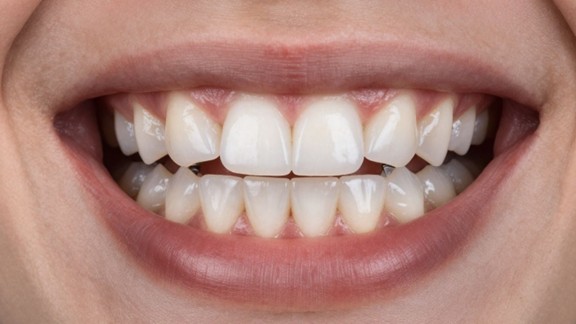
Losing teeth can feel like a big deal, and it is. But what if you need to replace a whole row of them? That's where full arch dental implants come in. They're a way to get a complete, stable set of new teeth that feel and look much like your own. This article will break down what a full arch dental implant is, how it works, and why it might be a good option for you.
Key Takeaways
- A full arch dental implant replaces all the teeth in your upper or lower jaw using a set of strategically placed implants.
- These implants act like artificial tooth roots, fusing with your jawbone to provide a strong foundation for a fixed bridge or denture.
- The term 'arch' in dental implants refers to the entire row of teeth in either the upper or lower jaw.
- Full arch dental implants offer a stable, natural-feeling solution compared to traditional dentures, helping to preserve jawbone health.
- The treatment involves implant placement, healing, and finally, attaching the custom-made prosthetic teeth.
What Is a Full Arch Dental Implant?
When someone talks about a full arch dental implant, they're referring to a way to replace all the teeth in one section of your mouth, either the top or the bottom. Think of it as getting a whole new set of teeth that are anchored securely. Instead of dealing with individual implants for every single missing tooth, this method uses a strategic placement of just a few implants – typically four to six – to support an entire row of artificial teeth.
So, what is considered an arch in dental implants? An arch simply means one row of teeth, like your upper teeth or your lower teeth. The goal of full arch dental implants is to provide a permanent solution that feels and looks like your natural teeth, offering a significant upgrade from traditional dentures. This treatment is a fantastic option for many people who are looking for a long-term solution to extensive tooth loss.
How Full Arch Dental Implants Work
Full arch dental implants are a sturdy foundation for a new smile. The process usually starts with a thorough check-up, including detailed 3D imaging of your mouth. The core idea is to anchor a full set of replacement teeth onto a few strategically placed dental implants (typically titanium posts).
Here's a general breakdown of the steps involved:
- Planning: Detailed scans and measurements are taken to map out the implant placement.
- Implant Placement: A dental professional surgically places the implants into the jawbone.
- Healing: This phase (osseointegration) allows the bone to fuse with the titanium, taking several months.
- Abutment Attachment: Small connectors called abutments are attached to the stable implants.
- Prosthesis Placement: A custom-made full arch of artificial teeth is attached to the abutments.
Full Arch Dental Implants vs. Traditional Options
While traditional dentures have been a common solution, full arch implants offer distinct advantages in stability and bone health.
| Feature | Traditional Dentures | Full Arch Dental Implants |
|---|---|---|
| Support | Relies on suction and adhesives | Anchored directly into the jawbone |
| Bone Health | Can contribute to jawbone loss | Helps preserve and stimulate jawbone growth |
| Stability | Can shift during eating or speaking | Very stable, minimal to no shifting |
| Longevity | May need relining or replacement | Implants can last a lifetime |
| Maintenance | Daily cleaning, removal for sleep | Brushed like natural teeth; not removed by patient |
Key Benefits of Full Arch Dental Implants
- Restored Functionality: Eat your favorite foods without worry.
- Improved Appearance: Maintains the natural shape of your face and jaw by preventing bone loss.
- Durability and Longevity: Designed to be a permanent part of your mouth.
- Bone Preservation: Acts like natural tooth roots to stimulate bone density.
- Comfort: Eliminates the discomfort and irritation of ill-fitting dentures.
The Treatment Process
Getting a full arch dental implant is a journey. After the initial consultation and surgical placement, the healing period is crucial. During this time, you might wear a temporary set of teeth. Once osseointegration is complete, the final, custom-made teeth are secured, resulting in a functional and attractive smile.
Making the Right Choice for Your Smile
Full arch dental implants offer a stable, natural-feeling solution that can significantly impact your quality of life. While it is a more involved process than traditional dentures, the long-term benefits are substantial. Discuss this advanced option with your Aventura dentist to see if it aligns with your specific health needs.
Frequently Asked Questions
What exactly is a full arch dental implant?
It is a way to replace all teeth in one jaw using four to six implants as anchors for a fixed prosthetic row of teeth.
Are full arch dental implants the same as All-on-4?
All-on-4 is a specific technique that uses four implants placed at precise angles. "Full arch" is a broader term that can include variations using four, five, or six implants.
How long do they last?
With good oral hygiene, the implant posts can last a lifetime. The prosthetic teeth are highly durable but may experience normal wear over many years.
Can anyone get full arch dental implants?
Suitability depends on jawbone density and overall health. A detailed evaluation by a specialist is necessary to determine if you are a candidate.
Blog Post Author

Contributed by DentalROI
DentalROI provides relevant dental content to help providers educate patients. The statements, services, and products referenced in this article have not been evaluated by the Food and Drug Administration, and they are not intended as a substitute for professional medical advice, diagnosis, or treatment. Always seek the advice of your dental provider with any questions or issues you may have. Specific recommendations may vary in different circumstances, so individual consultation is important.


