What Are Screwless Dental Implant
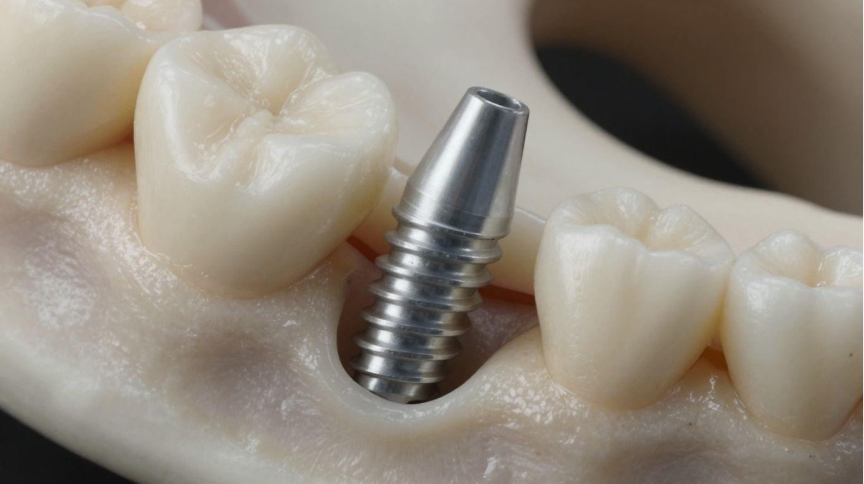
Dental implants have come a long way, offering more options for people needing to replace missing teeth. One of these newer options is the screwless dental implant. These implants are designed a bit differently than the traditional ones, aiming for a more natural look and feel. Let's explore what screwless dental implants are, how they work, and what makes them a good choice for some patients.
Key Takeaways
- Screwless dental implants, often called cement-retained implants, use dental cement or a friction-fit design to secure the crown, avoiding the need for a visible screw.
- They offer enhanced aesthetics by eliminating the screw access hole, resulting in a more natural-looking smile, especially for front teeth.
- While screwless implants provide excellent stability and can last many years with proper care, repairs can be more complex compared to screw-retained options.
- Mini dental implants can also be designed without screws, offering a smaller alternative for cases with limited bone or for stabilizing dentures.
- Screwless dental implants are generally considered safe and effective when placed by a qualified dentist and maintained with good oral hygiene, often lasting a decade or more.
What Are Screwless Dental Implants?
When you hear about dental implants, you might picture a small screw going into your jawbone. For a long time, that was pretty much how it was done. But dentistry keeps changing, and now there are options that don't use screws. So, what are screwless dental implants? Basically, they're a way to replace missing teeth without needing a screw to hold the replacement tooth (the crown) in place. Instead of a screw, the crown is typically attached using dental cement or a "press-fit" method where the implant is held tightly by the bone itself.
This approach is often chosen because it can look more natural. You know how sometimes with screw-retained implants, there's a little hole for the screw that might be visible? Screwless designs avoid that, giving a smoother, more seamless appearance. It's a bit like the difference between a picture frame that's held together with visible nails versus one that's joined so perfectly you can't see how it's done.
There are a couple of main ways this "screwless" idea works:
- Cement-Retained: This is probably the most common type. The crown is permanently attached to the implant using a strong dental cement. Think of it like gluing a cap onto a post.
- Press-Fit: These implants are designed to fit very snugly into a prepared spot in the jawbone. The fit is so precise that the bone holds the implant firmly in place without any screws.
Sometimes, people also ask about what are screwless mini dental implants. These are just smaller versions of screwless implants, often used when there isn't enough bone for a standard-sized implant or for stabilizing dentures. They work on the same screwless principle.
So, are screwless dental implants safe and effective? Generally, yes. Like any dental procedure, success depends on the skill of the dentist, the materials used, and how well you take care of them afterward. They've been shown to be a reliable way to replace teeth, offering a stable and natural-looking solution for many people.
The main idea behind screwless implants is to achieve a stable tooth replacement that looks and feels natural, without the potential aesthetic drawback of a visible screw hole. It's an advancement aimed at improving both the look and feel of dental restorations.
Blog Post Author

Contributed by DentalROI
DentalROI provides relevant dental content to help providers educate patients. The statements, services, and products referenced in this article have not been evaluated by the Food and Drug Administration, and they are not intended as a substitute for professional medical advice, diagnosis, or treatment. Always seek the advice of your dental provider with any questions or issues you may have. Specific recommendations may vary in different circumstances, so individual consultation is important.


