What Are Screwless Dental Implants
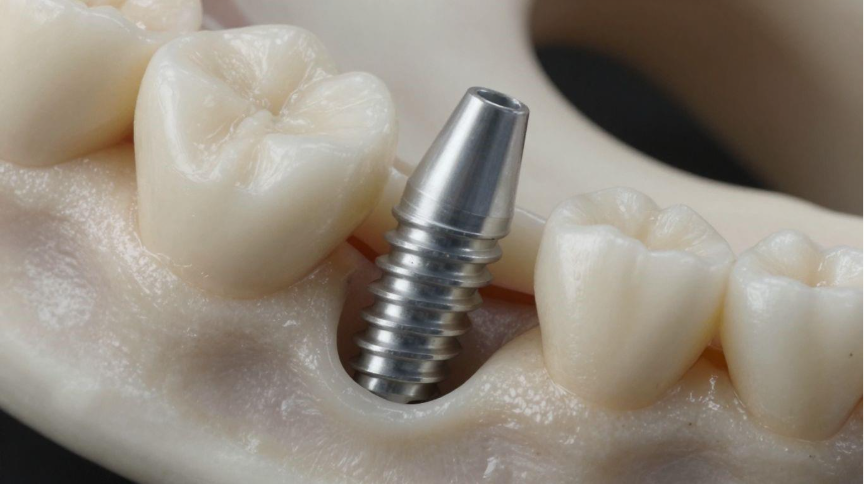
Dental implants have come a long way, offering more options for people needing to replace missing teeth. One of these newer options is the screwless dental implant. These implants are designed a bit differently than the traditional ones, aiming for a more natural look and feel. Let's explore what screwless dental implants are, how they work, and what makes them a good choice for some patients.
Key Takeaways
- Screwless dental implants, often called cement-retained implants, use dental cement or a friction-fit design to secure the crown, avoiding the need for a visible screw.
- They offer enhanced aesthetics by eliminating the screw access hole, resulting in a more natural-looking smile, especially for front teeth.
- While screwless implants provide excellent stability and can last many years with proper care, repairs can be more complex compared to screw-retained options.
- Mini dental implants can also be designed without screws, offering a smaller alternative for cases with limited bone or for stabilizing dentures.
- Screwless dental implants are generally considered safe and effective when placed by a qualified dentist and maintained with good oral hygiene, often lasting a decade or more.
What Are Screwless Dental Implants?
When you hear about dental implants, you might picture a small screw going into your jawbone. For a long time, that was pretty much how it was done. But dentistry keeps changing, and now there are options that don't use screws. So, what are screwless dental implants? Basically, they're a way to replace missing teeth without needing a screw to hold the replacement tooth (the crown) in place. Instead of a screw, the crown is typically attached using dental cement or a "press-fit" method where the implant is held tightly by the bone itself.
This approach is often chosen because it can look more natural. You know how sometimes with screw-retained implants, there's a little hole for the screw that might be visible? Screwless designs avoid that, giving a smoother, more seamless appearance. It's a bit like the difference between a picture frame that's held together with visible nails versus one that's joined so perfectly you can't see how it's done.
There are a couple of main ways this "screwless" idea works:
- Cement-Retained: This is probably the most common type. The crown is permanently attached to the implant using a strong dental cement. Think of it like gluing a cap onto a post.
- Press-Fit: These implants are designed to fit very snugly into a prepared spot in the jawbone. The fit is so precise that the bone holds the implant firmly in place without any screws.
Sometimes, people also ask about what are screwless mini dental implants. These are just smaller versions of screwless implants, often used when there isn't enough bone for a standard-sized implant or for stabilizing dentures. They work on the same screwless principle.
So, are screwless dental implants safe and effective? Generally, yes. Like any dental procedure, success depends on the skill of the dentist, the materials used, and how well you take care of them afterward. They've been shown to be a reliable way to replace teeth, offering a stable and natural-looking solution for many people.
The main idea behind screwless implants is to achieve a stable tooth replacement that looks and feels natural, without the potential aesthetic drawback of a visible screw hole. It's an advancement aimed at improving both the look and feel of dental restorations.
How Screwless Dental Implants Work
So, you're wondering about what are screwless dental implants and how they work? It's a pretty neat approach to replacing missing teeth. Unlike the traditional method where a tiny screw holds the crown onto the implant post, screwless implants use a different technique. Think of it like this: instead of a screw, a strong dental cement or a precise friction-fit system is used to secure the crown directly to the implant.
This method often involves a few key steps. First, the implant post is placed into the jawbone, much like with traditional implants. Once that's settled and healing, the next part is where it differs. For cement-retained versions, a dental adhesive is applied, and the crown is carefully attached. This cement then hardens, creating a stable connection. Another type uses a "press-fit" or "friction-fit" design, where the abutment (the piece connecting the implant to the crown) fits so snugly into the implant post that it creates a secure, stable bond through pressure and shape alone, almost like a puzzle piece locking into place. This is often seen with tapered designs that mimic a natural tooth root.
Here's a quick rundown of the general process:
- Implant Placement: The artificial tooth root is surgically placed into the jawbone.
- Abutment Connection: The piece that will connect to the crown is attached to the implant. This might be cemented or friction-fit.
- Crown Placement: A custom-made crown is then secured to the abutment, either with cement or a tight press-fit.
This screwless approach aims to provide a very natural look and feel. Because there's no screw access hole on the top of the crown, the final result can look incredibly seamless, blending right in with your other teeth. It's a way to get that stable, functional replacement without the potential for a visible screw hole. While the question of how long do screwless dental implants last is similar to traditional ones, focusing on good oral hygiene and regular check-ups is key for longevity. These implants are designed to be a long-term solution for restoring your smile and confidence, offering a secure and aesthetically pleasing option for tooth replacement directly into the jawbone.
Key Benefits of Screwless Dental Implants
When considering options for missing teeth, screwless dental implants present a few distinct advantages that many patients find appealing. One of the most noticeable benefits is the improved aesthetics. Because there's no screw access hole on the chewing surface, these implants offer a more natural and seamless look, blending in perfectly with your existing teeth. This can really boost confidence.
Beyond just looks, screwless implants often provide a very comfortable and stable fit. They are designed to feel secure in your mouth, making everyday activities like eating and speaking feel more natural. This stability is a big plus for many people.
Another point worth mentioning is the reduced risk of certain complications. With traditional screw-retained implants, there's always a small chance the screw could loosen over time. Screwless designs largely eliminate this worry, which means fewer potential issues down the road.
Here are some of the main benefits:
- Enhanced Appearance: No visible screw hole means a more natural-looking smile.
- Comfortable Fit: Designed for stability and a natural feel during daily use.
- Reduced Complications: Less worry about screws loosening or related issues.
- Easier Maintenance: The design can make cleaning around the implant simpler.
Screwless dental implants are a great option for many, offering a blend of natural appearance and reliable function. They aim to provide a comfortable, long-lasting solution for replacing missing teeth without the common concerns associated with screw access points.
These implants are built to last. With good daily care and regular check-ups with your dentist, they can function well for many years, often a decade or more. It’s all about keeping them clean and making sure everything stays stable.
Healing and Recovery Considerations
After your screwless dental implant is placed, the healing process is pretty important. It's not too different from other types of implants, really. The main goal is to let the bone and gums around the implant settle in and get strong. Following your dentist's specific instructions is the most critical part of this phase.
Here's a general idea of what to expect and what to do:
- Manage Discomfort: You might feel some soreness. Your dentist will likely prescribe pain medication or suggest over-the-counter options. It's a good idea to take these as directed to stay comfortable.
- Reduce Swelling: For the first day or two, applying a cold pack to your cheek can help with swelling. Just do it for short periods.
- Hydration is Key: Drink plenty of water. However, try to avoid using straws. The sucking motion can disrupt the healing tissues around the implant.
- Rest Up: Give your body time to recover. Sleeping with your head slightly elevated can also help minimize swelling.
- Keep Hands Off: It might be tempting, but avoid touching the implant site with your tongue or fingers. This can introduce bacteria and interfere with the healing process.
Beyond the immediate post-operative period, maintaining good oral hygiene is vital. This means brushing and flossing gently around the implant area daily. You'll also want to avoid chewing on very hard foods for a while, as this could put too much pressure on the new implant. Things like ice, hard candies, or nuts are best avoided until your dentist gives the okay.
It's also important to steer clear of smoking and limit alcohol consumption. Both can significantly slow down healing and increase the risk of complications. Your dentist will want to see you for follow-up appointments to check on your progress and make sure everything is healing as it should. These visits are a good time to ask any questions you might have about caring for your new implant.
Who May Be a Good Candidate for Screwless Dental Implants
So, who exactly might benefit most from these screwless dental implants? Generally, if you're looking for a really natural-looking tooth replacement without any visible hardware, this could be a great option. People with healthy gums and enough bone density in their jaw are usually good candidates. It's especially appealing for front teeth where aesthetics are a big concern, as there's no screw access hole to worry about.
Here are some points to consider if you think screwless implants might be right for you:
- Healthy Gums: You should have healthy gums without any active gum disease. This is important for any dental implant to heal properly and stay healthy long-term.
- Sufficient Bone: There needs to be enough bone in your jaw to support the implant. Your dentist will check this with imaging.
- Aesthetic Focus: If you're prioritizing a clean, natural look and want to avoid any potential screw visibility, screwless implants are designed for that.
- Commitment to Care: Like any dental work, regular check-ups and good daily oral hygiene are a must for screwless implants to last.
It's worth noting that while screwless implants are fantastic for many, they might not be the best fit for everyone. For instance, individuals who tend to grind their teeth heavily or have very limited bone might find traditional screw-retained implants a better choice. The best way to figure out what works for your specific situation is to have a thorough dental evaluation.
A dentist will look at your bone density, how you bite, and where the implant will go to decide if a screwless system is the right path for you. It's all about finding the most stable and natural-looking solution for your smile.
Wrapping Up: Is a Screwless Implant Right for You?
So, screwless dental implants are definitely an interesting option for folks looking to replace missing teeth. They offer a really natural look because there's no screw hole to worry about, which is a big plus, especially for front teeth. Plus, they can feel super stable and comfortable once they're in. Of course, like anything, they have their own little quirks, like how repairs might be a bit trickier than with traditional implants. The best way to figure out if this type of implant is the right fit for your smile and your needs is to chat with your dentist. They can go over all the options, explain the pros and cons based on your specific situation, and help you make a choice that feels good for your oral health.
Frequently Asked Questions
- What exactly are screwless dental implants?
Screwless dental implants are a way to replace missing teeth without using a tiny screw to hold the fake tooth in place. Instead, they often use a strong dental glue or a special tight fit to secure the new tooth, making them look very natural. - How do screwless implants stay in place?
These implants use a couple of main methods. Some are held in by dental cement, much like a crown is attached to a natural tooth. Others use a 'press-fit' or 'friction-fit' design, where the implant part is shaped to wedge tightly and securely into the jawbone, relying on a snug fit for stability. - Are screwless implants as strong as those with screws?
Yes, when placed correctly by a skilled dentist, screwless implants are very strong and stable. They are designed to handle chewing and last for many years, often as long as implants that use screws. The tight fit or strong cement provides excellent support. - What are the main advantages of choosing screwless implants?
One big plus is their appearance; since there's no screw hole, they look more like natural teeth, which is great for smiles. They can also be more comfortable and might reduce issues like plaque buildup around a screw opening. - Can screwless implants be removed if needed?
While not as easy to remove as screw-retained implants, they can be taken out if necessary. This usually requires special tools and expertise from a dentist. It's not something that can be done quickly or easily at home. - How long do screwless dental implants typically last?
With good care, like brushing and flossing daily and seeing your dentist regularly, screwless implants can last for over 10 to 15 years, and often much longer. They are a durable solution for missing teeth.
Blog Post Author

Contributed by DentalROI
DentalROI provides relevant dental content to help providers educate patients. The statements, services, and products referenced in this article have not been evaluated by the Food and Drug Administration, and they are not intended as a substitute for professional medical advice, diagnosis, or treatment. Always seek the advice of your dental provider with any questions or issues you may have. Specific recommendations may vary in different circumstances, so individual consultation is important.


