Why Is One Side of My Mouth More Painful Than the Other
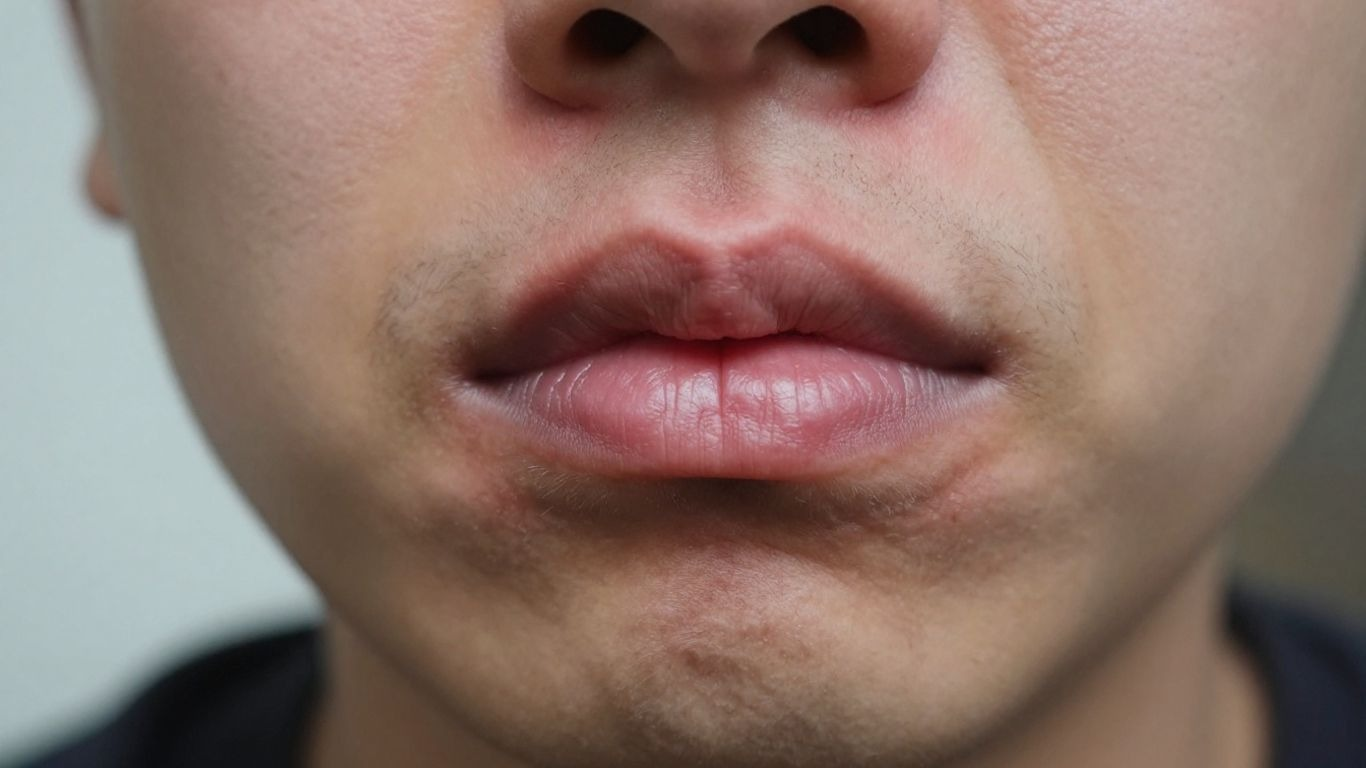
Ever notice that one side of your mouth just feels... off? Maybe it's a dull ache, a sharp twinge, or just general tenderness that seems to stick to one side. It's a common thing, and honestly, it can be pretty confusing. You might find yourself wondering, "Why is one side of my mouth more painful than the other?" It’s not usually something to panic about, but it's definitely worth paying attention to.
What it usually means when one side of your mouth hurts more
When pain decides to hang out on just one side of your mouth, it often points to a specific issue localized to that area. Think of it like a leaky faucet – the problem isn't usually the whole house, but one specific spot. This could be anything from a tooth acting up to a muscle feeling overworked. The key is that the pain isn't spread out evenly; it's concentrated.
Here are a few common scenarios:
- Dental Troubles: A cavity, a cracked tooth, or even an infected tooth root can cause pain that feels like it's coming from one specific tooth and the surrounding jaw area. It's like a targeted pain signal.
- Jaw Joint Issues: The temporomandibular joint (TMJ), which connects your jawbone to your skull, can get irritated. Problems here often affect one side more than the other, leading to pain when you chew, talk, or even just open wide.
- Muscle Strain: Sometimes, the muscles you use for chewing can get tired or sore, especially if you grind your teeth at night or chew a lot of tough foods. This can lead to a one-sided ache.
- Sinus Pressure: Believe it or not, sinus infections can sometimes make your upper teeth and jaw on one side feel achy. It’s all about how close those sinus cavities are to your teeth.
It's important to remember that your mouth is a complex system. Pain on one side doesn't always mean the problem is in that exact spot. Sometimes, referred pain can make it feel like it's coming from one area when the actual issue is elsewhere, like in a nearby nerve or muscle.
So, if you're feeling that one-sided discomfort, it's your body's way of telling you something needs a closer look. Don't ignore it – figuring out the 'why' is the first step to feeling better.
Common One Side of Mouth Pain Causes
So, your mouth is feeling a bit lopsided in the pain department? It's pretty common to notice discomfort on just one side of your mouth or jaw. It can be anything from a nagging ache to a sharp jab, and it definitely gets your attention. Let's break down some of the usual suspects behind these one side of mouth pain causes.
Top reasons for pain on one side of mouth
There are a bunch of things that could be making one side of your mouth feel off. It's not always a big deal, but it's good to know what might be going on.
- Tooth Troubles: This is a big one. A cavity that's gotten deep, a cracked tooth, or even a wisdom tooth trying to make a dramatic entrance can cause pain that feels like it's coming from your jaw on that side. Sometimes, the pain is worse when you bite down or when you eat something hot or cold.
- Jaw Joint Issues (TMJ/TMD): Your temporomandibular joints (TMJs) are the hinges that connect your jaw to your skull. When these get irritated or out of whack, it's called TMJ disorder. This can lead to clicking, popping, and pain, often more on one side than the other. Stress, teeth grinding, or even just chewing gum a lot can contribute.
- Sinus Problems: Believe it or not, your sinuses can cause jaw pain. If you've got a sinus infection or inflammation, especially in the maxillary sinuses above your upper back teeth, that pressure can feel like it's in your jaw on that side. You'll usually have other sinus symptoms like a stuffy nose, too.
- Grinding or Clenching: If you grind your teeth (bruxism), especially at night, you're putting a lot of strain on your jaw muscles and joints. This can definitely lead to soreness and pain on one side.
- Injury: Did you take a tumble or bump your face recently? Even if it wasn't a direct hit to the jaw, an injury can sometimes cause pain to show up later, often on one side.
It's easy to ignore a little ache, hoping it'll just disappear. But when mouth or jaw pain sticks around, especially if it's getting worse or making it hard to eat, it's your body sending a signal that something needs attention. Don't wait too long to figure it out.
| Potential Cause | Common Symptoms |
|---|---|
| Tooth Decay/Abscess | Sharp pain, throbbing, worse with biting/temp changes |
| TMJ Disorder | Clicking, popping, jaw stiffness, headaches |
| Sinus Infection | Facial pressure, stuffy nose, pain worse bending |
| Teeth Grinding (Bruxism) | Sore jaw muscles, dull ache, worn teeth |
Pain on One Side of Mouth: Dental Reasons Explained
So, you've got this nagging ache, but it's only on one side of your mouth. It's easy to get a little freaked out, right? But often, the culprit is hiding right there in your teeth or gums. Let's break down some common pain on one side of mouth dental reasons.
Tooth, Gum and Nerve Issues Behind One-Sided Mouth Pain
When pain decides to hang out on just one side of your mouth, your teeth and the surrounding areas are prime suspects. It's not always a cavity; sometimes, it's a bit more complex.
- Cavities: Yep, the old standby. A cavity that's gotten deep enough can start irritating the nerve inside your tooth, sending pain signals that feel pretty localized. It might hurt more when you eat something sweet, hot, or cold.
- Cracked or Chipped Tooth: You might not even remember injuring it, but a tiny crack can expose the sensitive inner parts of your tooth. Chewing or even just biting down can put pressure on that crack, causing sharp, sudden pain on that one side.
- Gum Disease (Periodontitis): If your gums are really inflamed or infected on one side, it can make your teeth feel loose and achey. You might notice bleeding when you brush or floss, or that your gums look red and swollen.
- Abscess: This is a more serious infection, usually at the root of a tooth or in the gums. It can cause a throbbing, persistent pain that might feel like it's deep in your jawbone. You might also see swelling or even a little pimple-like bump on your gums.
- Impacted Wisdom Teeth: Those pesky wisdom teeth, especially if they're trying to come in at an angle, can push against other teeth or get stuck under the gum. This can cause a lot of pressure and pain on one side of your jaw.
- Bruxism (Teeth Grinding/Clenching): If you grind or clench your teeth, especially at night, you're putting a ton of stress on your jaw muscles and teeth. This can lead to sore teeth and jaw pain, often more noticeable on one side where you're clenching harder.
It's important to remember that pain is your body's way of telling you something's up. Ignoring it, especially when it's persistent or getting worse, is rarely a good idea. Dental issues, if left untreated, can lead to bigger problems down the road, like infections spreading or tooth loss.
Sometimes, the pain might feel like it's in your jaw, but it's actually coming from a tooth. Your dentist can figure out if it's a dental issue or something else, like your jaw joint (TMJ) or even your sinuses. They'll likely take X-rays and do a thorough check to pinpoint the exact cause and get you on the road to feeling better.
Why Does One Side of Jaw Hurt More Than the Other?
So, you're dealing with jaw pain, but it's only on one side. That's a real bummer, right? It can make simple things like eating your favorite sandwich or even just talking feel like a chore. You might be wondering, "Why does one side of my jaw hurt more than the other?" Well, there are a bunch of reasons this could be happening, and some are more common than you'd think.
Warning signs you should see a dentist immediately
While a little jaw discomfort might clear up on its own, there are definitely times when you need to call your dentist ASAP. Don't mess around with this stuff. If you're experiencing any of the following, it's time to get it checked out:
- Severe or worsening pain: If the pain is really bad or just keeps getting worse, that's a big red flag.
- Trouble opening or closing your mouth: If your jaw feels stuck or you can't move it like normal, that's not good.
- Swelling on one side of your face or jaw: This could mean there's an infection or something else going on that needs attention.
- Fever along with jaw pain: This is a strong indicator of an infection that needs medical treatment.
- Clicking or popping with pain: If your jaw makes noise and it hurts, it's worth getting it looked at.
Sometimes, jaw pain on just one side can be a sign of something that needs professional help. Ignoring it could lead to bigger problems down the road, so it's always better to be safe than sorry. Getting a proper diagnosis is the first step to feeling better.
Here are some common culprits for that one-sided jaw ache:
- TMJ Disorders: Your temporomandibular joints are the hinges that connect your jaw to your skull. When these get out of whack, often due to grinding your teeth, stress, or injury, you can get pain, clicking, and difficulty chewing, usually more on one side.
- Dental Problems: Yep, your teeth can cause jaw pain! Cavities, cracked teeth, or even an infected tooth root can send pain signals that feel like they're coming from your jawbone.
- Sinus Infections: Those sinus cavities are right above your upper teeth. If they get infected or inflamed, the pressure can easily spread to your jaw, making it ache on one side.
- Muscle Strain: Just like any other muscle in your body, the ones in your jaw can get strained from clenching, grinding, or even chewing something tough. This can lead to soreness on one side.
- Injury: A bump or fall to the face, even if it happened a while ago, can cause lingering pain in the jaw.
One-Sided Tooth Pain Causes and Solutions That Actually Work
So, you've got this nagging ache, but it's only on one side of your mouth, and it feels like it's coming from your teeth. It's super common, and honestly, pretty annoying. The good news is, there are usually pretty straightforward one-sided tooth pain causes and solutions.
When pain hones in on just one side, it often points to a specific issue rather than a general ache. Think of it like a spotlight on the problem area. Here are some of the usual suspects:
- Cavities: Yep, the old standby. If a cavity gets deep enough, it can really start to send pain signals, especially when you bite down or hit it with something hot or cold. It'll usually be right on the tooth that's got the hole.
- Cracked Tooth: These can be sneaky. You might not even see a crack, but it can cause sharp pain when you chew, or a dull ache that just won't quit. It often feels worse on one side because that's where the damage is.
- Abscess: This is a more serious infection, usually at the root of a tooth. It's often a throbbing, intense pain that can spread into your jaw and even your ear. If you've got swelling or a bad taste in your mouth, get this checked out ASAP.
- Impacted Wisdom Teeth: If your wisdom teeth are trying to come in but don't have enough room, they can push against other teeth or get infected, leading to pain on one side of your jaw, often in the very back.
- Gum Disease: While gum disease can affect your whole mouth, sometimes a specific area can become more inflamed or infected, causing localized pain that feels like it's coming from the teeth in that spot.
What to do about it?
- Don't ignore it: Seriously, that little twinge could be a sign of something bigger. The sooner you catch it, the easier it is to fix.
- See your dentist: This is the big one. They've got the tools and the know-how to figure out exactly what's going on. X-rays are usually involved, and they can pinpoint the problem tooth or area.
- Follow their advice: Whether it's a filling, a root canal, or something else, getting the right treatment is key to getting rid of that one-sided pain for good.
Sometimes, pain on one side of your mouth isn't just about the tooth itself. It can be a signal that something else needs attention, like your jaw joint or even your sinuses. But when it comes to tooth-specific pain, getting a professional diagnosis is the only way to be sure you're treating the right thing and not just masking the symptoms.
If you're dealing with persistent pain on one side, especially if it's getting worse or you have other symptoms like swelling or fever, it's time to make that dental appointment. They can help you get back to comfortable chewing and smiling without that annoying ache.
So, What's the Takeaway?
Dealing with pain on just one side of your mouth or jaw can be a real pain, literally. We've talked about a bunch of reasons why this might be happening, from your jaw joint acting up (hello, TMJ!) to a sneaky cavity or even a sinus bug. The main thing to remember is that if the pain is bad, sticking around, or making it hard to do normal stuff like eating or talking, it's probably time to get it checked out. Your dentist is your best bet for figuring out exactly what's going on and getting you back to feeling normal. Don't just tough it out – a quick visit can save you a lot of trouble down the road.
Frequently Asked Questions
What does it mean if only one side of my mouth hurts?
When just one side of your mouth or jaw hurts, it often points to a specific problem on that side. This could be a dental issue like a cavity or a problem with your jaw joint (TMJ). It's your body's way of signaling that something needs attention in that particular area.
Could a toothache cause pain on one side of my jaw?
Absolutely! A cavity, a cracked tooth, or an infection in a tooth (like an abscess) can cause pain that feels like it's coming from your jaw on that same side. The pain might get worse when you bite down or eat something hot or cold.
What is TMJ disorder and can it cause one-sided pain?
TMJ disorder, or TMD, affects the joints that connect your jaw to your skull. These joints can get inflamed or stressed, often leading to pain on one side of your jaw. You might also hear clicking or popping when you open your mouth, or have trouble chewing.
Can sinus problems make one side of my mouth hurt?
Yes, they can! Your sinus cavities are located near your upper jaw. If you have a sinus infection or inflammation, it can create pressure that you feel as pain in your upper jaw on one side. This often comes with other sinus symptoms like a stuffy nose.
When should I see a dentist about one-sided mouth pain?
You should see a dentist if the pain is severe, getting worse, or if you have trouble opening or closing your mouth. Also, if you notice swelling on one side of your face, have a fever with the pain, or if the pain doesn't go away after a few days, it's time to get it checked out.
Are there other reasons my jaw might hurt on one side?
Besides dental issues and TMJ problems, other causes can include grinding your teeth (bruxism), muscle strain, injury to the jaw, or even problems with your salivary glands. Sometimes, arthritis can affect the jaw joint too.
Blog Post Author

Contributed by DentalROI
DentalROI provides relevant dental content to help providers educate patients. The statements, services, and products referenced in this article have not been evaluated by the Food and Drug Administration, and they are not intended as a substitute for professional medical advice, diagnosis, or treatment. Always seek the advice of your dental provider with any questions or issues you may have. Specific recommendations may vary in different circumstances, so individual consultation is important.


