What Is the Difference Between Plaque and Tartar and Why Does It Matter?
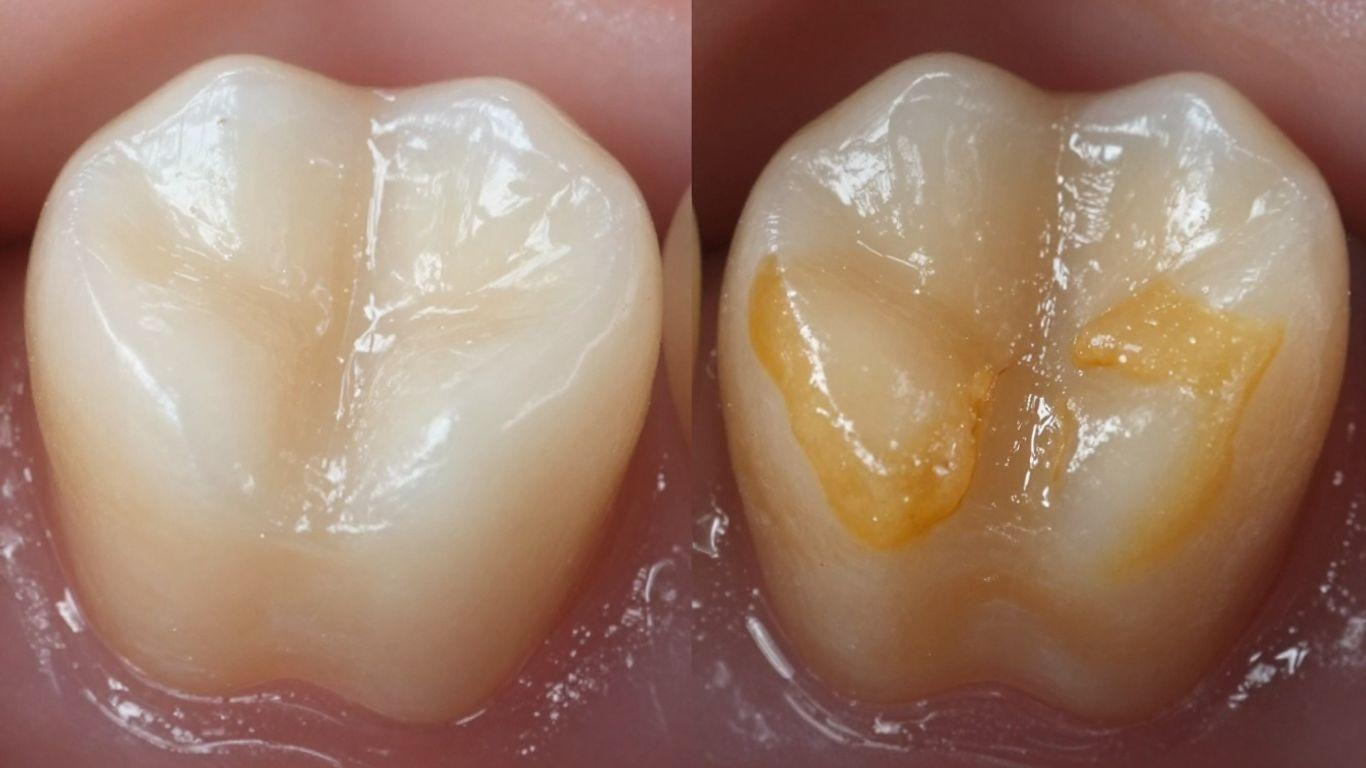
Okay, let's talk about plaque and tartar. You've probably heard your dentist mention them, and maybe you even feel a fuzzy coating on your teeth sometimes. But what's the actual difference between plaque and tartar, and why should you even care? It's pretty simple, really. Think of plaque as the first stage, and tartar as the hardened, more stubborn version.
Why is it important to understand the difference between the two?
Knowing the plaque vs tartar what is the difference is super important because they require different approaches. If you don't get the difference between plaque and tartar, you might not be tackling the problem effectively. Plaque is like a daily visitor you can shoo away with good habits, but tartar? That's the houseguest who's moved in and needs professional help to leave.
Plaque: This is a soft, sticky, and usually clear or pale yellow film that constantly forms on your teeth. It's basically a party for the bacteria in your mouth. These little guys feed on the sugars and starches from the food and drinks you consume, and as a byproduct, they create acids. These acids are the real troublemakers, attacking your tooth enamel.
- Tartar (or Calculus): This is what happens when plaque isn't removed and gets a chance to harden. Minerals from your saliva mix with the plaque, causing it to calcify. Tartar is much harder, often yellowish or brown, and it sticks firmly to your teeth, especially along the gum line. You can't just brush it away.
The fuzzy feeling you get on your teeth after a long day? That's plaque. If you don't get rid of it, it can turn into tartar, which feels like a hard shell and is way more difficult to deal with.
Here's a quick rundown:
| Feature | Plaque | Tartar (Calculus) |
|---|---|---|
| Texture | Soft, sticky, fuzzy | Hard, crusty, rough |
| Color | Clear to pale yellow | Yellow, brown, or even darker |
| Removal | Brushing and flossing | Professional dental cleaning |
| Formation | Forms continuously from bacteria & food | Forms when plaque hardens (24-72 hours) |
How Plaque Turns Into Tartar on Teeth — The Process Explained
So, you've brushed and flossed, but what's really going on in your mouth? Let's talk about how plaque turns into tartar on teeth. It's a pretty straightforward, albeit unwelcome, process. Think of plaque as the initial stage – that sticky, almost fuzzy film you can feel on your teeth, especially after a meal or before you brush at night. It's basically a party for bacteria, fueled by the sugars and starches from whatever you've eaten.
How quickly can plaque harden into tartar if not removed?
This is where things get serious, fast. If you skip brushing or flossing, that soft plaque doesn't stay soft for long. Within 24 to 72 hours, plaque can start to harden and turn into tartar. That's right, just a couple of days! The speed can change depending on a few things, like your diet (more sugar means faster hardening) and how well you're cleaning your teeth. Some people also find it hardens quicker due to things like dry mouth or even genetics.
Once plaque calcifies, it becomes tartar, also known as calculus. It's much harder and more stubborn than plaque. You'll notice it often shows up along the gum line and can look yellow or even brownish. Unlike plaque, you can't just brush tartar away. It needs professional tools to get rid of it.
Here's a quick look at the timeline:
- Minutes after eating: Plaque begins to form.
- Within 24-72 hours: Plaque can start hardening into tartar.
- Ongoing: If not removed, tartar builds up and can lead to bigger problems.
The key takeaway here is that consistent, daily cleaning is your best defense. Don't give plaque the chance to harden into tartar. It's a battle you can win with regular brushing and flossing.
Plaque and Tartar Removal and Prevention Tips
So, you know plaque is that sticky stuff that builds up, and tartar is when plaque hardens. The good news is, you can do a lot to keep both in check. It's all about a solid routine and knowing when to call in the pros.
Can you remove tartar at home or does it require a dentist?
Let's get this straight: you can't really get rid of tartar yourself once it's hardened. Brushing and flossing are awesome for removing plaque before it turns into tartar, but once it's calcified, it's pretty much stuck. Think of it like cement – you can't just wipe it off.
- Plaque Removal: This is your daily job. Brushing twice a day for at least two minutes each time, and flossing once a day, are your best weapons. Make sure your toothbrush gets all the surfaces, and don't forget those tricky spots between your teeth where floss is a lifesaver.
- Tartar Removal: This is where your dentist or dental hygienist comes in. They have special tools that can safely scrape away hardened tartar without damaging your teeth or gums. Professional cleanings are usually recommended every six months, but your dentist might suggest more frequent visits if you're prone to tartar buildup.
Trying to scrape off tartar at home with sharp objects is a really bad idea. You can easily hurt your gums, scratch your enamel, or even chip a tooth. It's just not worth the risk.
Plaque and Tartar Removal Prevention Tips
Preventing plaque and tartar buildup is way easier than dealing with the consequences. Here’s how to stay ahead:
- Brush Like a Pro: Use a fluoride toothpaste and a soft-bristled brush. Angle the brush towards your gum line and use gentle, circular motions. Don't forget to brush your tongue to get rid of extra bacteria.
- Floss Faithfully: Seriously, don't skip this. Flossing gets the gunk out from between your teeth and under the gum line where your toothbrush can't reach.
- Consider Mouthwash: An antimicrobial or fluoride mouthwash can be a good addition to your routine, but it's not a substitute for brushing and flossing.
- Watch What You Eat: Limiting sugary drinks and snacks gives bacteria less fuel to produce those nasty acids. If you do indulge, try to brush or at least rinse your mouth with water afterward.
- Stay Hydrated: Drinking plenty of water helps wash away food particles and bacteria. It also helps if you tend to have a dry mouth, which can make plaque buildup worse.
- Regular Dental Check-ups: This is non-negotiable. Those six-month visits are key for catching any issues early and getting professional cleanings to remove any tartar you missed.
Why Plaque and Tartar Buildup Is Dangerous for Your Oral Health
Okay, so we know plaque is that sticky stuff and tartar is its hardened, stubborn cousin. But why is letting them hang around on your teeth such a big deal? It's not just about having a less-than-sparkling smile; these guys can actually cause some serious trouble for your mouth.
What Diseases Are Linked to Long-Term Plaque and Tartar Buildup?
When plaque and tartar get comfortable on your teeth, they become a party zone for nasty bacteria. These bacteria munch on leftover food bits and sugars, and as they do, they release acids. These acids are the main troublemakers.
- Tooth Decay (Cavities): Those acids I just mentioned? They start eating away at your tooth enamel, the hard outer layer of your teeth. Think of it like tiny little potholes forming. If you don't get rid of the plaque, these potholes can get bigger and deeper, turning into cavities that might need fillings.
- Gum Disease (Gingivitis and Periodontitis): Plaque doesn't just hang out on your teeth; it irritates your gums too. This can lead to gingivitis, where your gums get red, swollen, and might bleed when you brush. It's basically your gums telling you something's wrong. If you ignore gingivitis, it can get worse and turn into periodontitis. This is a more serious infection that can damage the tissue and bone holding your teeth in place. Seriously, unchecked gum disease can eventually lead to tooth loss. Tartar makes things even worse because it's rough and gives plaque more places to stick, making it harder to clean and speeding up the damage.
- Bad Breath (Halitosis): Let's be honest, nobody likes having stinky breath. Plaque and tartar are major culprits. The bacteria living in them produce smelly compounds, and tartar can also trap food particles that start to decompose, adding to the unpleasant odor.
It's easy to think of plaque and tartar as just a cosmetic issue, but they're actually a gateway to more significant health problems in your mouth. The bacteria involved don't just stay put; they can cause inflammation and damage that affects your entire oral structure, from your teeth to your gums and even the bone underneath.
Plaque vs Tartar — What Is the Difference and How to Stay Ahead of Both
So, we've talked about what plaque and tartar are and how they form. Now, let's really nail down the difference and figure out how to keep them from messing with your mouth.
Think of plaque as the messy, sticky first draft. It's that fuzzy film you feel on your teeth after a long day, made of bacteria, food bits, and saliva. It’s constantly forming, and if you don't get rid of it daily, it starts causing trouble. The acids from the bacteria in plaque can chip away at your enamel, leading to cavities, and it irritates your gums, kicking off gingivitis.
Tartar, on the other hand, is what happens when plaque gets lazy and hardens. It's like plaque that's been left out in the sun too long – it turns into a tough, crusty deposit. This stuff, also called calculus, is way harder to deal with. It’s usually yellowish or brownish, and you can’t just brush it off. It sticks around, often along the gum line, and creates a rough surface that attracts even more plaque. This makes cleaning your teeth properly a real challenge and can lead to more serious gum problems like periodontitis.
Here’s a quick rundown:
- Plaque: Soft, sticky, fuzzy film. Easy to remove with brushing and flossing. Main culprit for cavities and early gum irritation.
- Tartar: Hardened plaque, crusty, often discolored. Cannot be removed by brushing/flossing. Requires professional cleaning. Worsens gum disease and can lead to tooth loss.
The biggest takeaway? You can manage plaque at home, but tartar needs a dentist.
How fast does this transformation happen? Well, it's not instant, but it's quicker than you might think. If plaque isn't removed, it can start to harden into tartar in as little as 24 to 72 hours. So, that fuzzy feeling you ignore today could be the start of a hard, stubborn problem tomorrow.
Staying ahead of both plaque and tartar is all about consistency. It’s not about one heroic cleaning session; it’s about the daily grind of brushing and flossing. Think of it like keeping your house tidy – a little bit of effort regularly prevents a huge mess later.
So, what’s the game plan to keep these guys in check?
- Brush like you mean it: At least twice a day, for two full minutes each time. Use fluoride toothpaste – it’s like armor for your teeth.
- Floss like a boss: Get in between those teeth daily. This is where plaque loves to hide, and your toothbrush can’t reach.
- Rinse smart: An antibacterial mouthwash can be a good backup to help zap extra bacteria.
- See your dentist regularly: Those six-month check-ups and cleanings are non-negotiable. They have the special tools to scrape away tartar that you just can’t get rid of yourself.
- Watch what you eat: Cutting back on sugary drinks and snacks means less food for the bacteria to feast on, which means less acid and less plaque.
Conclusion
So, plaque and tartar are definitely not the same thing, even though they’re related. Plaque is that sticky film we can mostly handle at home with brushing and flossing. But if we let it hang around too long, it hardens into tartar, which is a whole different beast. Tartar needs a dentist to get rid of it and can cause some serious problems like gum disease and cavities if we ignore it. The main takeaway here is that keeping up with your brushing and flossing every day is super important. It’s the best way to stop plaque from becoming tartar in the first place. And don’t forget those regular dentist visits – they’re key to catching anything you might miss and keeping your smile healthy. Taking care of your mouth is a big part of taking care of your whole body, so let’s all try to stay on top of it!
Frequently Asked Questions
What's the main difference between plaque and tartar?
Think of plaque as the first step. It's a soft, sticky film that builds up on your teeth from food and bacteria. You can usually get rid of it by brushing and flossing. Tartar, on the other hand, is what plaque becomes when it hardens. It's like a crusty deposit that’s much tougher to remove and usually needs a dentist to clean.
How fast does plaque turn into tartar?
Plaque can start to harden into tartar pretty quickly, sometimes in as little as 24 to 72 hours if you don't brush it away. So, it's really important to clean your teeth regularly to stop that from happening.
Can I remove tartar myself at home?
Nope, not really. Brushing and flossing are great for removing plaque, but once it hardens into tartar, you can't get rid of it with regular cleaning. You'll need to see a dentist or a dental hygienist to have it professionally removed.
Why is tartar so bad for my teeth?
Tartar is bad because it’s rough and gives more plaque a place to stick, making it harder to clean your teeth. It can also irritate your gums, leading to gum disease. In bad cases, it can even cause your teeth to fall out.
What happens if I don't get rid of plaque and tartar?
If plaque and tartar build up, they can cause cavities by damaging your tooth enamel. They can also lead to gum problems, starting with gingivitis (red, swollen gums) and potentially getting worse into periodontitis, which is a serious gum disease that can harm the bone supporting your teeth.
How can I prevent plaque and tartar buildup?
The best way is to brush your teeth at least twice a day for two minutes each time and floss every day. Using fluoride toothpaste helps too. Also, try to limit sugary snacks and drinks, and see your dentist for check-ups and cleanings about every six months.
Blog Post Author

Contributed by DentalROI
DentalROI provides relevant dental content to help providers educate patients. The statements, services, and products referenced in this article have not been evaluated by the Food and Drug Administration, and they are not intended as a substitute for professional medical advice, diagnosis, or treatment. Always seek the advice of your dental provider with any questions or issues you may have. Specific recommendations may vary in different circumstances, so individual consultation is important.


