TMJ Disorder in Aventura
Jaw pain, headaches, ear discomfort, or difficulty chewing may be signs of TMJ (temporomandibular joint) disorder. TMJ issues can significantly affect daily life, sleep quality, and overall comfort if left untreated.
At our Aventura, FL dental office, we provide personalized TMJ treatment designed to relieve pain, restore jaw function, and improve quality of life. Our approach focuses on accurate diagnosis, conservative care, and customized treatment plans based on your symptoms and needs.

What is TMD (Temporomandibular Disorder) or (TMJ) Temporomandibular Joint Disorder?
TMJ disorder—also called temporomandibular disorder (TMD)—affects the joint that connects your jawbone to your skull. This joint plays a critical role in speaking, chewing, yawning, and facial movement.
When the joint or surrounding muscles don’t function properly, it can result in pain, restricted movement, and other uncomfortable symptoms.
Common Causes of TMJ Disorders
Several factors can trigger TMJ disorders, including teeth grinding or clenching (bruxism), bite misaligment or jaw imbalance, arthritis affecting the jaw joint, jaw inury or facial trauma, and chronic stress leading to muscle tension.
Because TMJ symptoms can be similar to other conditions, proper diagnosis is essential. TMJ can be diagnosed by a health provider, who will perform a physical exam, take a medical history, and order imaging tests, such as X-rays or an MRI, to rule out other potential causes of the symptoms. At our dental practice, we may assess patient’s bite to help diagnose TMJ.
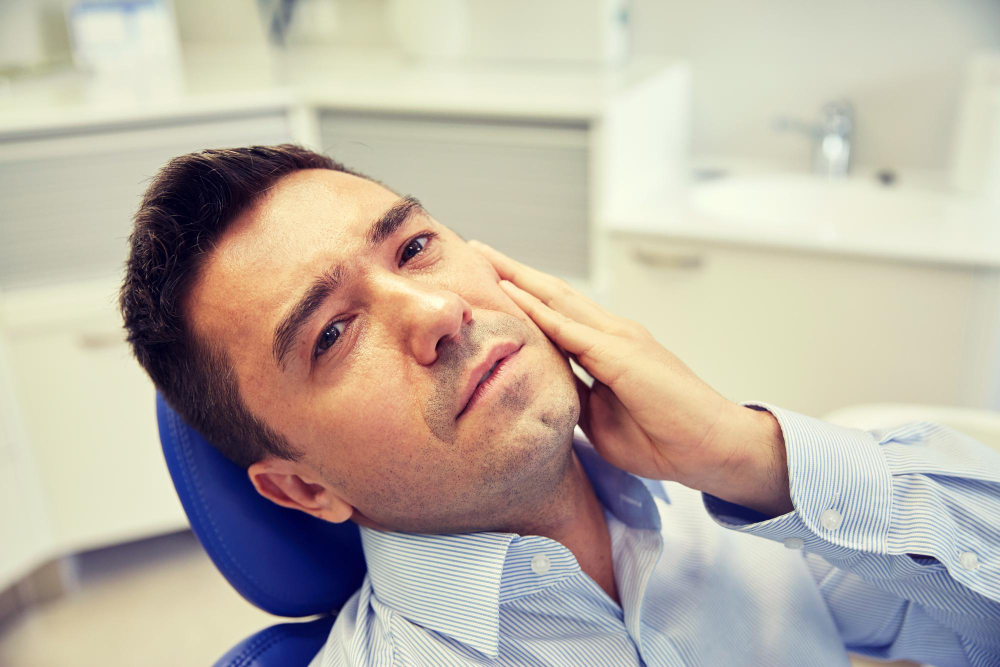
Common and Overlooked TMJ Symptoms
Common TMJ symptoms include jawpain or stiffness, clicking or popping sounds, difficulty opening or closing mouth, facial or cheek pain, headaches or migraines
However, there are some less recognized TMJ symptoms such as:
- Hearing loss or tinnitus: In rare cases, TMJ can cause hearing loss or tinnitus (ringing in the ears). This is because the temporomandibular joint is located close to the ear, and when it is not functioning properly, it can affect the surrounding tissues.
- Neck and shoulder pain: TMJ can cause pain and tension in the neck and shoulders, as well as headaches and migraines. This is because the muscles and nerves in the jaw and face are interconnected with those in the neck and shoulders.
If you experience any of these symptoms or signs, it’s important to schedule a consultation with our dentist in Aventura to an evaluation of TMJ.
Common Symptoms of Temporomandibular Joint Disorder (TMJ)
Jaw Pain
Pain in the jaw is one of the most common symptoms of TMJ. The pain may be felt in one or both sides of the jaw and may be dull or sharp in nature. The pain may also be accompanied by a feeling of tightness or stiffness in the jaw.
Clicking or Popping Sounds
Many people with TMJ experience clicking or popping sounds when they open or close their mouth. These sounds are caused by the movement of the jawbone over the disc that separates the jawbone from the skull.
Difficulty Chewing or Opening the Mouth
TMJ can make it difficult to chew food or open the mouth wide. Some people may feel like their jaw is “locked” or “stuck” in a certain position, making it difficult to move the jaw at all.
Headaches
TMJ can cause tension headaches, which are often felt in the temples or the back of the head. These headaches are caused by the muscle tension that is associated with TMJ.
Facial Pain
TMJ can also cause pain in the face, particularly around the cheekbones or temples. This pain may be constant or intermittent and may be accompanied by a feeling of pressure or tightness in the face.

What to Expect During a TMJ Evaluation in Aventura
Medical & Symptom Review
During the exam, our dentist will discuss your symptoms, lifestyle habits, and medical history..
Physical Examination
Our dentist will examine jaw movement, muscle tenderness, bite alignment, and joint sound. You will be asked to open and close your jaw in order to check your bite and alignment.
Diagnostic Imaging
X-rays or other imaging may be used to evaluate joint structure and rule out other conditions.
Based on the findings, a customized treatment plan will be created
Contact our office today to schedule a consultation. We can answer any questions you have about TMJ and address any issues unique to your specific situation.
Lifestyle Modifications and Home Remedies
For most patients, TMJ symptoms can be improved with some of the following lifestyle modifications:
- Reduce stress and practice relaxation techniques
- Use over the counter pain relievers and anti-inflammatories
- Practice jaw exercises as instructed by your dentist
- Use warm compresses
- Eat softer foods during TMJ flareups
- Avoid chewing gum
- Be mindful of overextending the jaw when yawning
- Massage therapy to relieve tension in jaw muscles
If you experiencing TMJ pain, call us to schedule a TMJ evaluation with our Sunrise TMJ dentist.
TMJ Treatment Options in Aventura, FL
Conservative and at-home remedy for TMJ
Many patients experience improvement with non-invasive care, including: stress management and relaxation techniques, jaw stretching and strengthening exercises, warm compresses, soft-food diet during flare-ups, avoiding gum chewing and wide jaw movements.
Bite Correction and Dental Appliances
For those with moderate TMJ symptoms, we recommend bite correction and dental appliances:
- Bite Correction: Custom TMJ or bruxism mouth guard can reduce clenching and joint pressure, which helps manage TMJ pain. A bruxism mouthguard will help provide cushioning against tooth grinding and reduce pain. A TMJ mouthguard will also reduce clenching and keep the teeth aligned. For some patients, orthodontic treatment provides the perfect solution.
- Orthodontics treatment in select cases to improve jaw alignment.
Advanced TMJ Therapies
- Corticosteroid injections to reduce inflammation
- Botox® therapy to relax overactive jaw muscles
- Surgical options (only when conservative care is unsuccessful and performed by specialists)
If you are suffering from TMJ pain, call us today for a consultation.

Why is TMJ Treatment Necessary?
Without treatment, TMJ disorders may worsen over time. Prolonged TMJ disorder can lead to chronic pain, reduced jaw mobility, permanent joint damage, sleep disruption, and decreased quality of life. Early treatment helps protect jaw health and prevent long-term complications.


